Harder to avoid harmful chemicals as the EU eases regulations
When the EU simplifies rules for personal care and beauty products, consumer protection risks being weakened, EU consumer organisations warn. Problematic products may remain on the market for three years. Ecolabelling therefore becomes even more important in guiding consumers towards good choices for the environment and health.
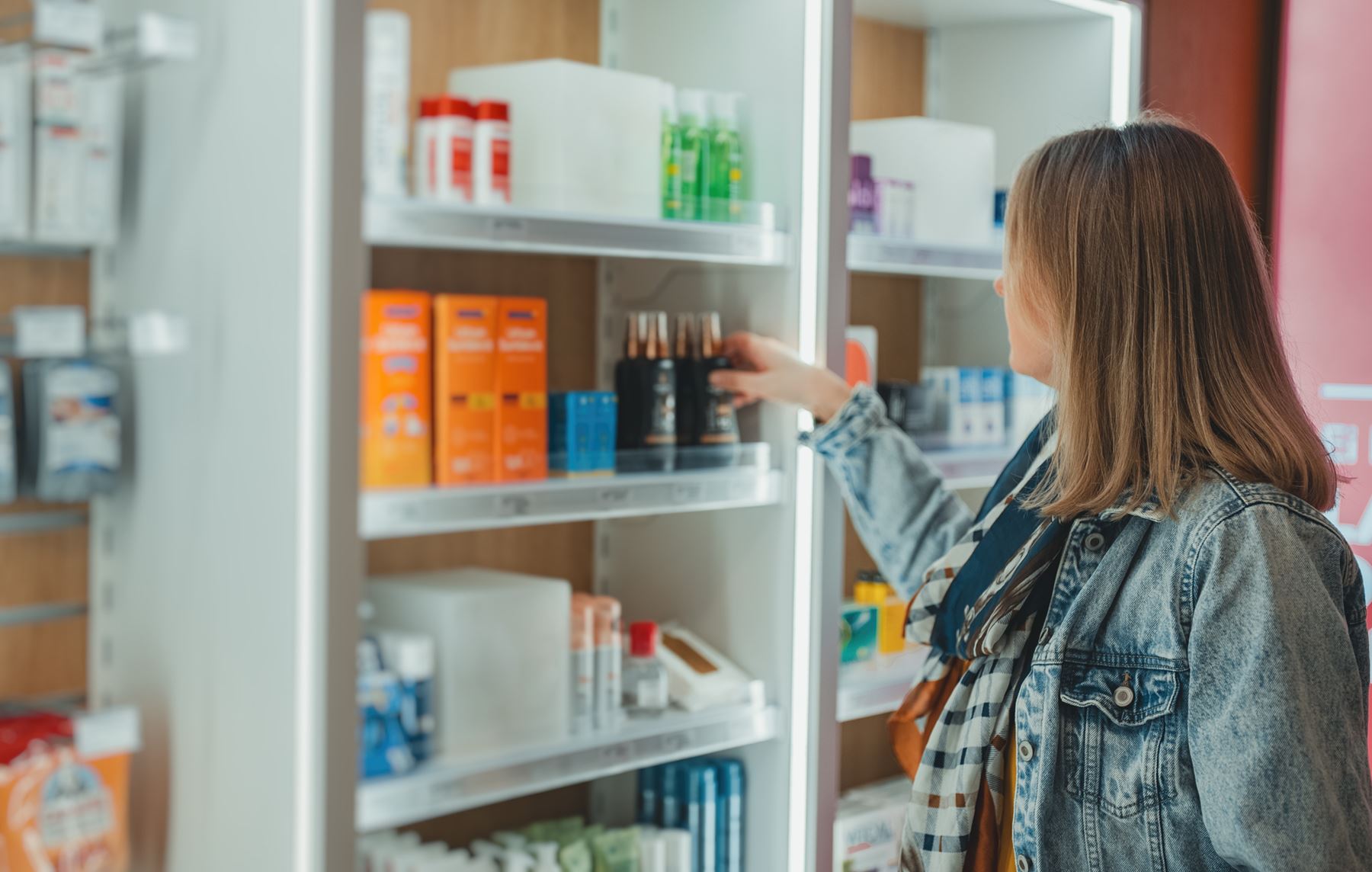
There is considerable uncertainty among Swedish consumers when buying soap, shampoo, make-up and other personal care and beauty products. Three in four Swedes find it difficult to determine whether these products contain harmful chemicals and substances, according to a large consumer survey (Opinion 2026). Half of consumers believe that personal care and beauty products are often marketed using unclear, misleading and unsubstantiated environmental claims about their chemical content. One in three do not understand the information provided in the ingredients list.
– It is difficult for consumers to make the right choice. It is therefore regrettable that the new EU rules risk weakening consumer protection and that problematic products may remain on the market for so long – in some cases, for up to three years. Ecolabelling therefore becomes even more important for consumers. You should not have to be a chemist to make the right choice for the environment and your health, says Lina Harström, chemicals expert at Ecolabelling Sweden, the organisation behind the Nordic Swan Ecolabel and the EU Ecolabel.
The Nordic Swan Ecolabel and the EU Ecolabel guide consumers towards better choices by setting strict requirements for chemicals, with a particular focus on avoiding substances that may harm the environment and human health. The requirements are continuously tightened in light of new scientific findings.
Swedish consumers on the difficult choices for the bathroom cabinet
- 76% find it difficult to determine whether personal care and beauty products contain chemicals and substances that are harmful to the environment and health.
- 51% believe that personal care and beauty products are often marketed using unclear, misleading and unsubstantiated environmental claims about their chemical content.
- 58% trust that personal care and beauty products are good choices for the environment when they carry an ecolabel awarded by an independent third party with no connection to the product or producer.
- 33% trust that ecolabels make it easier to choose personal care and beauty products without harmful substances.
About the survey
The Nordic Consumer Sustainability Index 2026 was conducted by Opinion on behalf of Nordic Ecolabelling in January 2026. A total of 1,012 Swedes aged 16 and over were interviewed.
Across the Nordic region, a total of 4,368 people were interviewed.
Simplified rules weaken consumer protection
The Swedish Consumers' Association, like the European consumer organisation BEUC, warns that the EU's easing of the Cosmetics Regulation could significantly weaken consumer protection. The criticism focuses primarily on changes that would weaken the automatic ban on CMR substances in cosmetics – substances that are or are suspected of being carcinogenic, mutagenic or toxic to reproduction. Companies would be able to sell products containing such substances for up to six months after the substance has been banned. The products could remain on sale for up to twelve months – and in some cases, where exemptions are being considered, products containing harmful substances could remain on the market for three years.
The aim is to clarify and simplify the EU's new rules for industry in order to strengthen the EU's competitiveness. The European Parliament is expected to vote on the so-called omnibus package in October.
Learn more:
- https://www.europarl.europa.eu/news/sv/press-room/20260616IPR45506/chemicals-deal-on-simplification-of-cosmetics-fertiliser-and-labelling-rules
- Comments on the simplification package on chemicals (Omnibus VI) - Swedish Consumers - Swedish Consumers
- Harmful chemicals in cosmetics: EU decides to weaken consumer protection
For more information:
-
Lina Harström Advisor +46 (0)8-55 55 24 07 lina.harstrom@svanen.se
![]()